Choosing Window Blinds for a Tampa Home: Check Light and Moisture
One blind may face strong sun while another sits beside a window that collects condensation. Tampa's outdoor climate gives you a reason to check those exposures, but it does not prove every home has the same indoor humidity or that one blind material outlasts the rest everywhere. A window above a sink, a patio door opened often and a shaded bedroom each raise different questions. Pick the covering after inspecting the actual window and how the room gets used.
Contents
- What should you inspect at each window?
- How does moisture change the choice?
- What about fabric shades and sunlight?
- How should you compare blind materials and warranties?
- What should happen before ordering?
Key takeaways
- Visit the room when sunlight hits the window.
- According to the U.S.
- Textiles can change with light and moisture.
- Make a short comparison table for the exact products quoted.
- The durable choice fits the window's observed conditions and the owner's routine.
The U.S. Environmental Protection Agency advises acting on condensation or moisture at windows and reducing the source. Those facts set the order of work: assess light and water first, then compare product specifications, cleaning requirements and warranties.
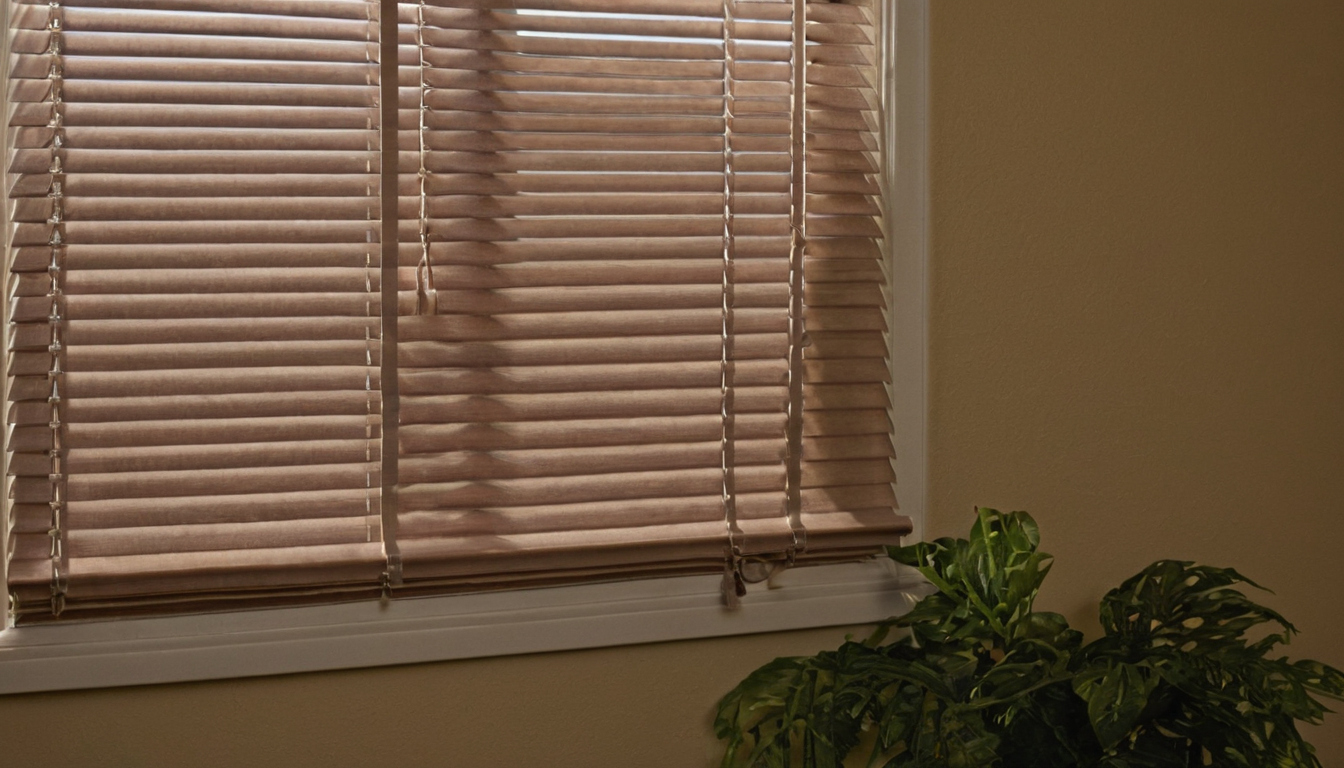
How Tampa Humidity Affects Window Blinds: Material Choices That Last.
What should you inspect at each window?
Visit the room when sunlight hits the window. Note glare on a desk or screen, fading on nearby furniture, and whether the occupant wants a view while the covering is partly closed. Checking solar exposure shows how much daylight the room needs and where heat enters most directly.
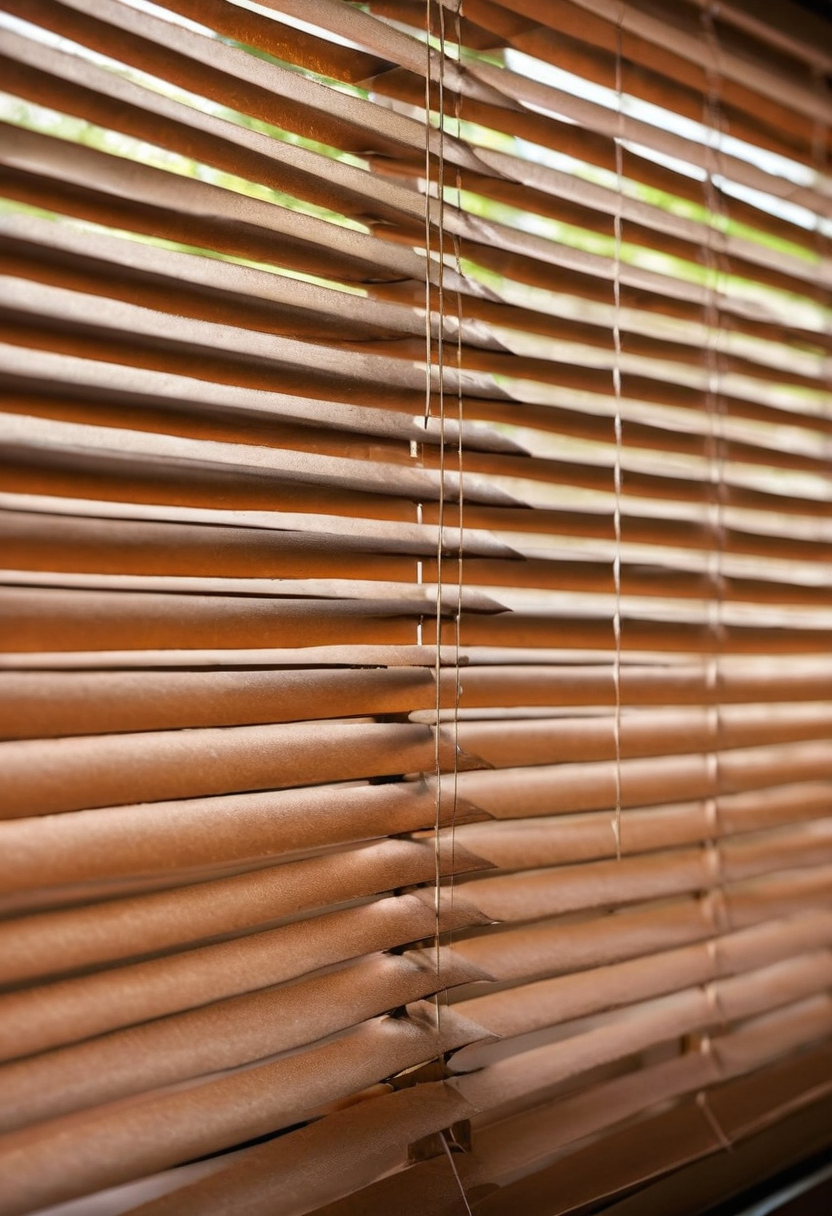
Why Tampa humidity damages window blinds faster than average climates.
Then look for water. Check the glass, sill, frame and wall around the opening for condensation, stains or soft material. Ask when it appears: after a shower, during cooking, after rain, or when the room is cooled. A blind installed against an already damp opening will not repair a window leak or ventilation problem. Photograph the condition and resolve its source before hiding it behind a new treatment. According to the U.S. Environmental Protection Agency, water-damaged areas and items should be dried within 24 to 48 hours to prevent mold growth. That timeline applies to the surfaces around your window just as it does to the rest of the room.
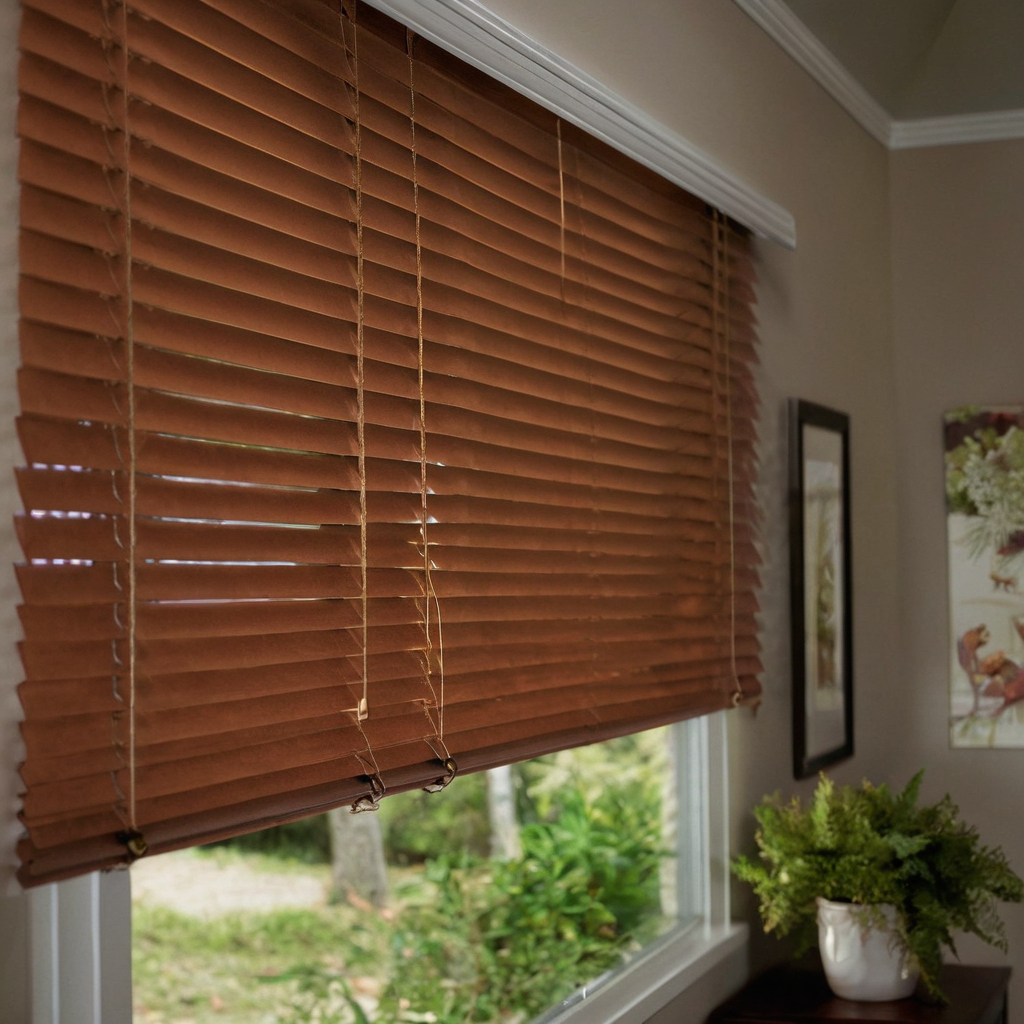
Which blind materials resist warping in high-humidity environments.
Measure the opening and nearby obstacles: handles, cranks, tile, shelving and the swing of a door. Decide whether a blind must fit inside the recess or outside it. A fabric panel that brushes a wet sill or blocks an operable window may be awkward regardless of its material. Give the installer the exact measured opening and identify where drilling is allowed.
How does moisture change the choice?
According to the U.S. Environmental Protection Agency, condensation at windows is a sign to dry the surface and reduce the moisture source. The EPA also states there is no way to eliminate all mold and mold spores indoors; the way to control indoor mold growth is to control moisture. This applies to all residential environments, including Tampa Bay homes. A simple humidity reading over time is more useful than a citywide assumption when a window repeatedly becomes wet.
The EPA notes that mold grows on wood, paper, carpet, fabrics, and insulation when excessive moisture accumulates indoors and is not addressed. Natural wood can respond to changing humidity. Wood swells as it absorbs moisture and shrinks as it dries, which can stress joints and finishes. This is a material mechanism, not a finding that basswood, oak or any named blind species fails at a specific humidity in a Tampa house.
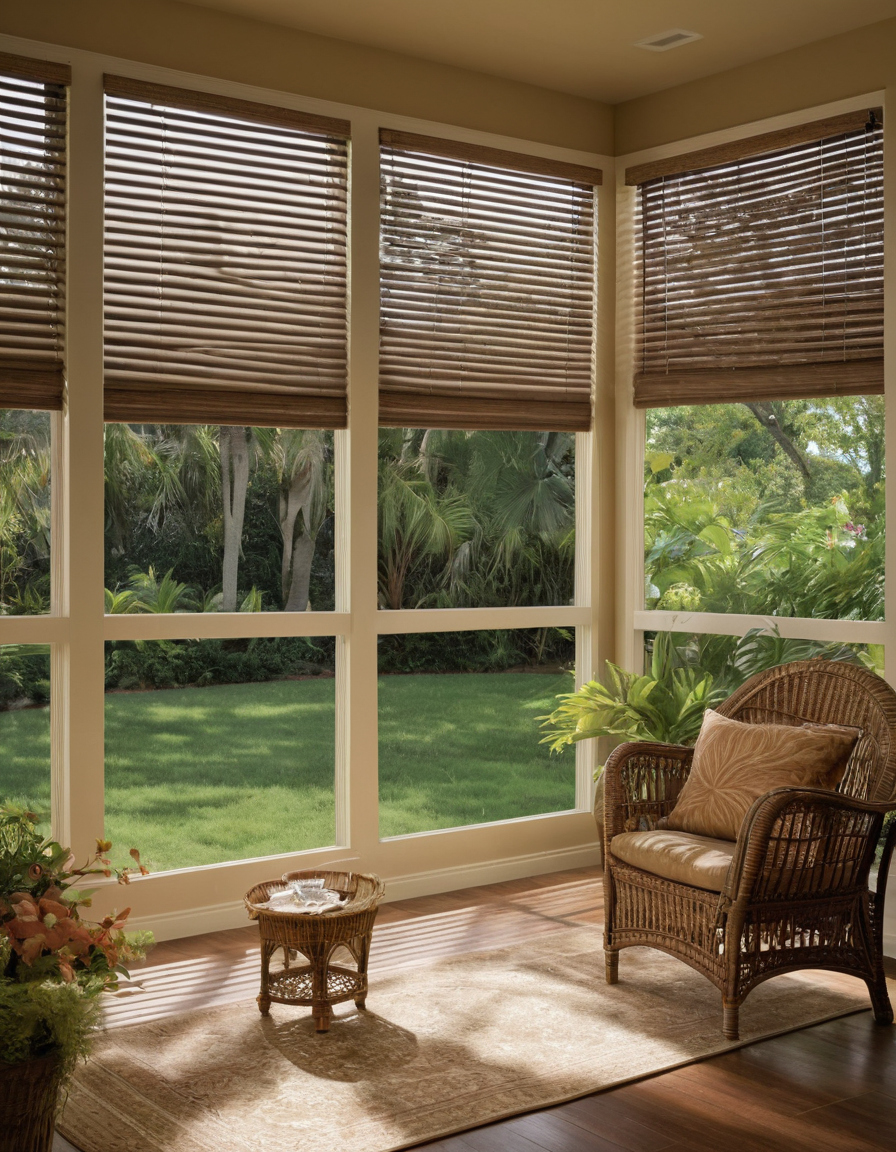
Selecting a material by its aesthetic alone guarantees failure when indoor relative humidity stays elevated for months at a time.
The EPA further advises that if you see mold, clean it up and fix the water problem; if you clean up mold but do not fix the water problem, most likely the mold problem will return. This principle applies when remediating mold on interior surfaces, including window treatments. For a damp-prone window, ask each supplier whether the complete blind, including slats, cords, headrail, fasteners and finish, is approved for that location. A slat described as “moisture resistant” may have different limits from its operating parts. Get the care instructions in writing. Do not assume a PVC, aluminum, fabric or wood product is immune to condensation merely because it is easy to wipe.
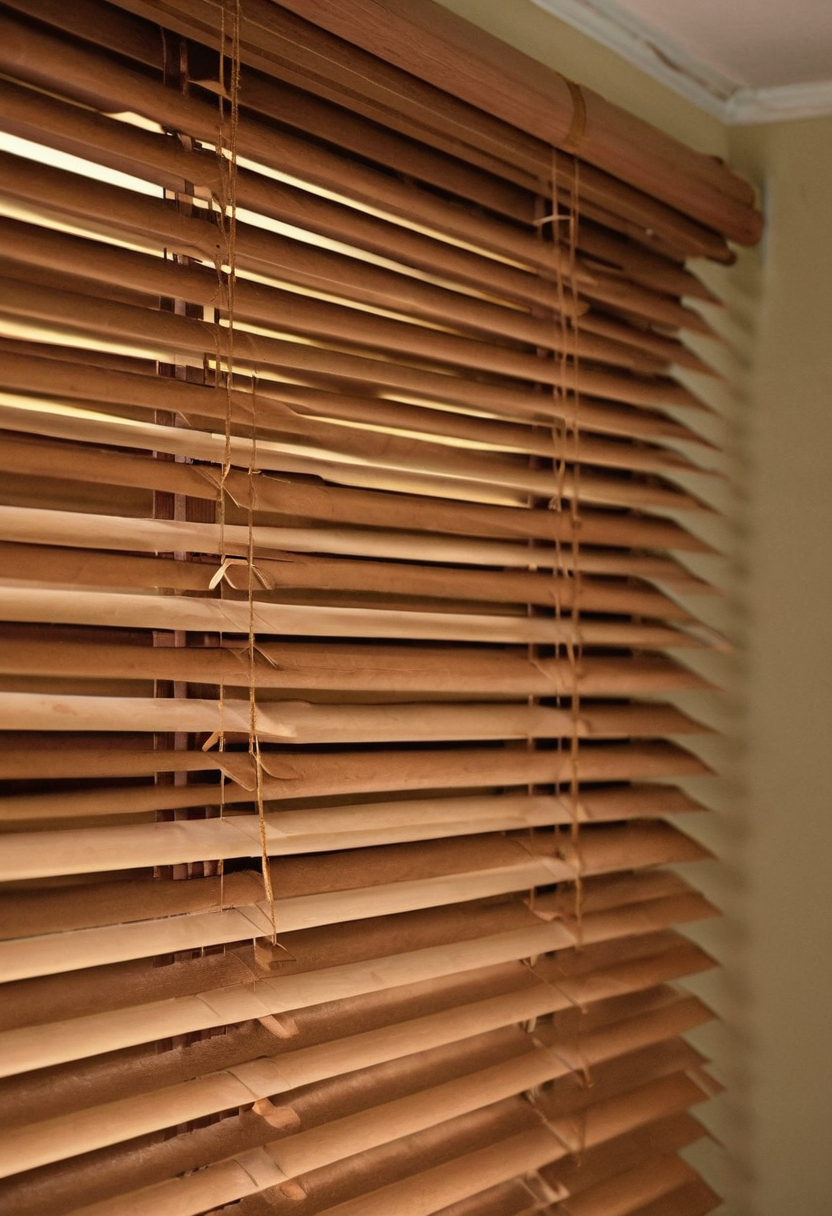
How natural wood blinds perform in Tampa's subtropical climate.
What about fabric shades and sunlight?
Textiles can change with light and moisture. Fading from bright light and damage associated with excess humidity are documented concerns for interior textiles. The practical question for a supplier is what colour and fabric performance has actually been tested and how the shade should be cleaned.
Compare fabric samples in the room rather than under showroom light alone. A translucent shade may reduce glare while allowing daylight; a room-darkening product changes the view and daytime appearance. Ask for the product sheet identifying fabric, backing, operating mechanism and intended use. If a seller says “UV resistant,” request the test or warranty terms behind the phrase instead of assuming no fading will occur.
What to check in blind warranties for humidity-related damage.
Consider access for cleaning. Grease near a kitchen window, splashes near a sink and dust on a high bedroom shade call for different routines. Do not specify a fabric that needs a cleaning method the household cannot carry out. If the shade must be taken down to clean or dry, ask how that is done without damaging the mechanism.
How should you compare blind materials and warranties?
Make a short comparison table for the exact products quoted. Record the material and finish of each component, intended location, cleaning method, moisture limitations, sunlight performance evidence, warranty exclusions and repair or replacement parts. Avoid a generic ranking such as “wood always fails” or “aluminum lasts forever.” The quality of the complete product and its installation matter alongside material choice.
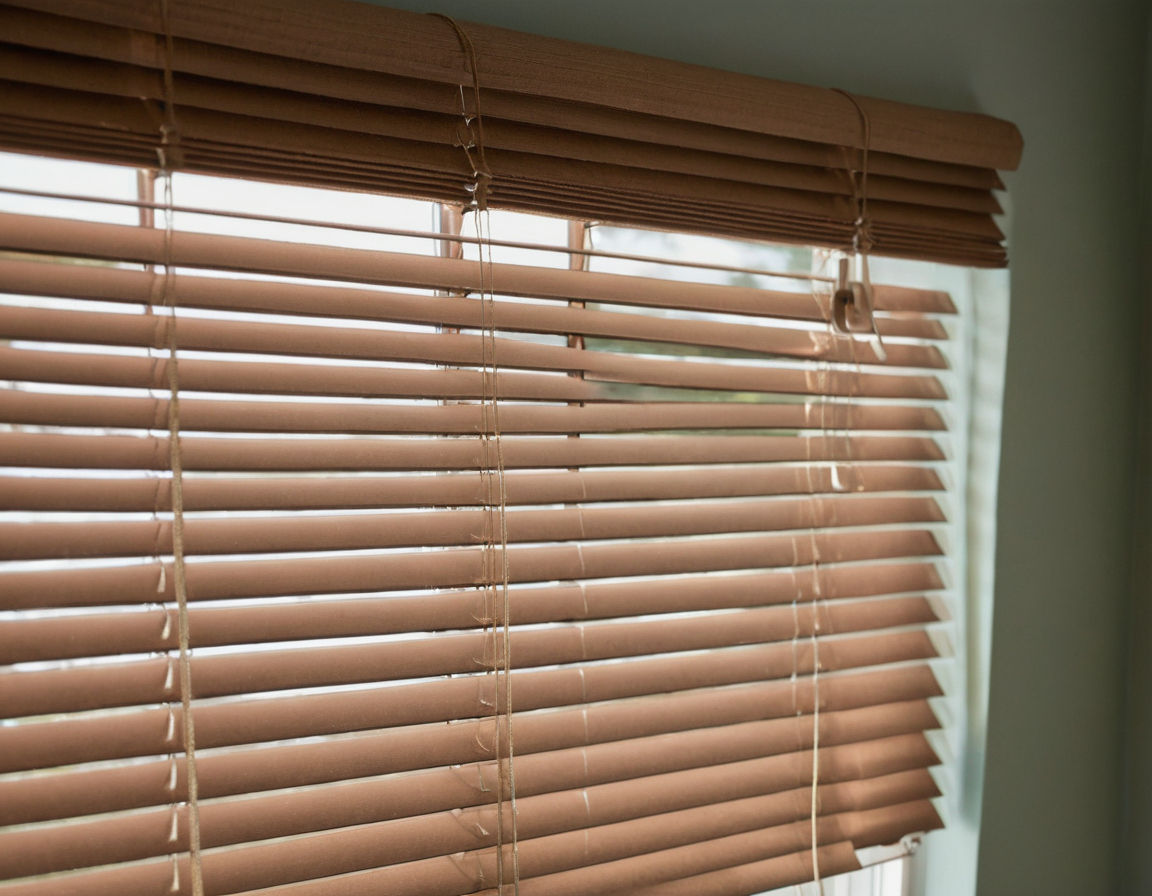
How to prevent mold and mildew on window blinds in Tampa.
The U.S. Environmental Protection Agency identifies paints, varnishes, waxes, cleaning products, building materials, and furnishings as common indoor sources of volatile organic compounds. When selecting finishes or coatings for blinds, consider that these materials can affect indoor air quality. The EPA recommends increasing ventilation when using products that emit volatile organic compounds indoors.
The U.S.
Ask the installer where the blind will sit relative to the glass and how it can be lifted for window inspection. If the homeowner needs to wipe condensation, the covering must not make that impossible. Ask whether the mounting surface is sound and whether the fasteners suit it. A warranty may distinguish product defects from exposure or installation problems; read the current terms for the chosen product rather than assuming all major manufacturers use the same exclusion.
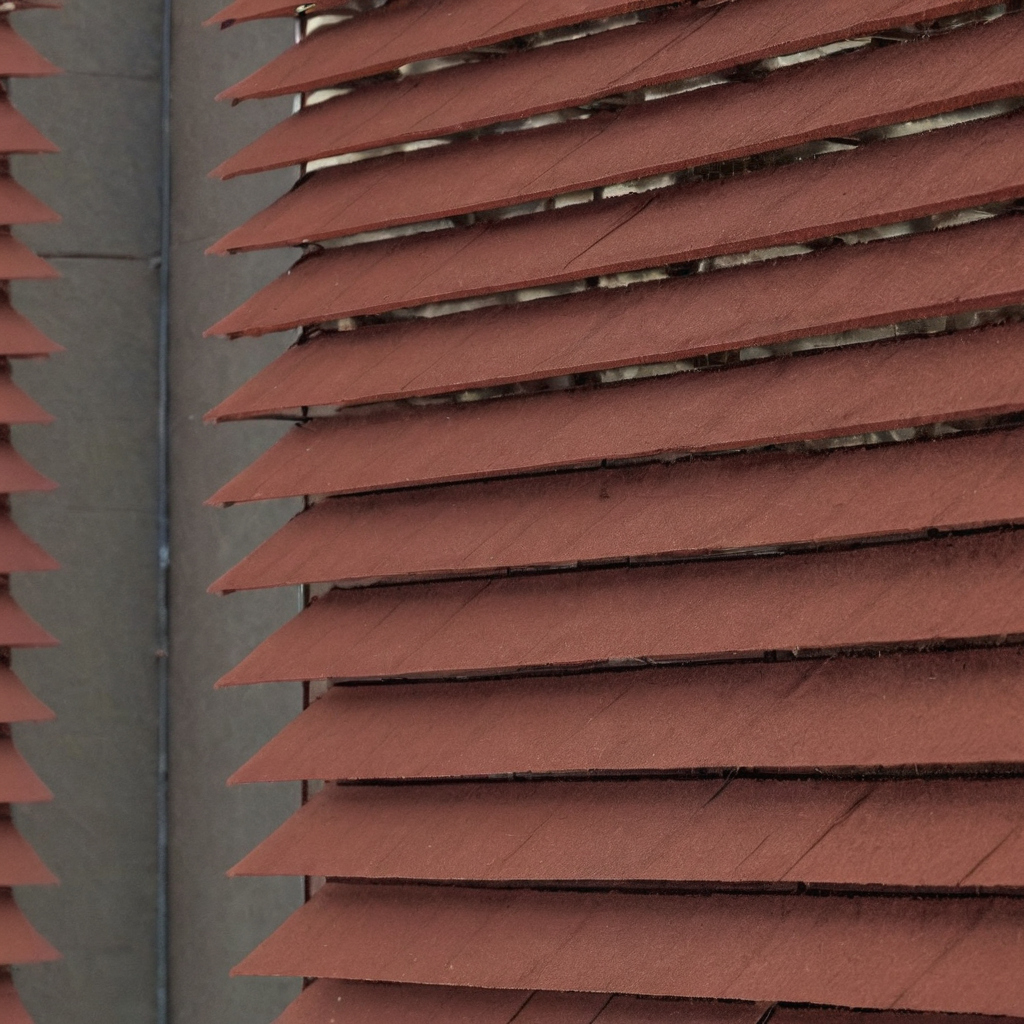
Pigment stability varies by material composition.
For a heavily used door or children's room, discuss controls and ease of operation as well as appearance. A blind that needs force to raise every day may not suit the opening. If pets can reach the covering, inspect how cords and slats will be protected. These use conditions help narrow a product list more effectively than naming one citywide “best” material.
What should happen before ordering?
- Inspect each window for direct sun, condensation, leaks and the need to open or clean it.
- Correct any active moisture problem before installing the covering.
- Measure the opening and decide on light control, privacy, view and ease of cleaning.
- Request exact product sheets for slats or fabric, finish, mechanism and mounting parts.
- Compare written care and warranty terms for the actual window exposure.
- Check the installed blind in the positions occupants will use and retain its product record.
The durable choice fits the window's observed conditions and the owner's routine. Measuring humidity and looking for condensation are more defensible than assuming a Tampa threshold, while manufacturer documentation is a better guide than a material label alone.
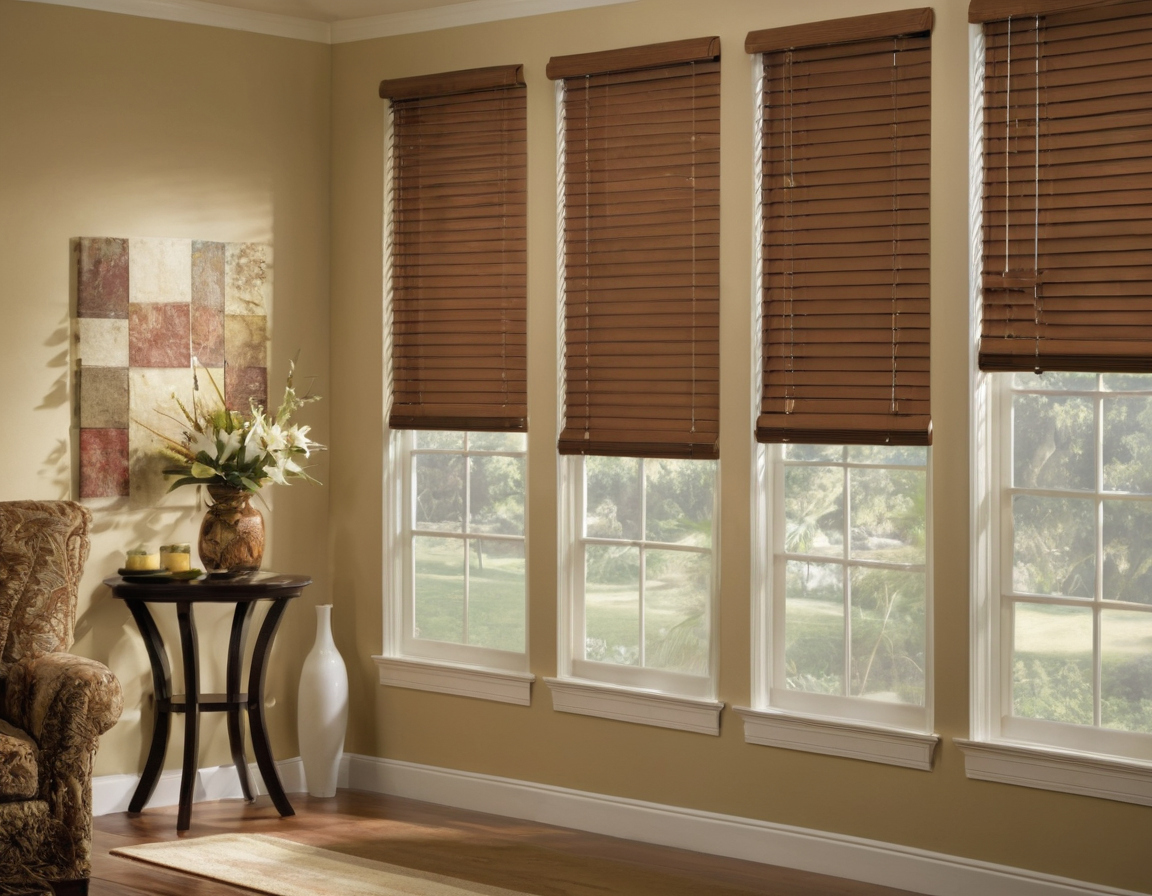
Choosing the right window treatments for Tampa Bay homes.
For more on this topic, see other guides on this site.